In April 2025, we published an article on the Los Angeles wildfires and the under-insurance crisis they exposed. In case you missed it, you can find it here.
To recap, last year, a number of major insurers withdrew cover from some residential areas in Los Angeles which they had assessed as facing unacceptable risks from wildfires. The insurers had monitored climate patterns and had become concerned that there had been several years with good rainfall, followed by a dry period, which had produced vegetation which was ready to ignite. Many homeowners found their policies cancelled mid-term and were uninsured when the devastating fires swept through the city, in some instances only a short time later.
There had been prior warnings that insurers were retreating from the most fire-prone areas in Los Angeles, where residents had been finding it difficult to obtain insurance for some time.
When we published our article last year, we identified similar issues that may arise in New Zealand, given the number of severe weather events in the last few years, along with some potential solutions. Recent events indicate that the New Zealand insurance market is beginning to deal with these issues. Similar problems to those seen in Los Angeles are emerging in the New Zealand market, with significant increases in premiums, reduced participation by property owners and increased difficulty in obtaining cover, and evidence of underinsurance for severe weather events.
Westport
Late last year, AA Insurance made a public announcement that it would temporarily suspend issuing new home insurance policies for houses that it did not already insure in one postcode in the West Coast town of Westport, because of concerns about the town’s flood risk. This may signal the start of a new type of insurance retreat from high-risk areas in New Zealand.
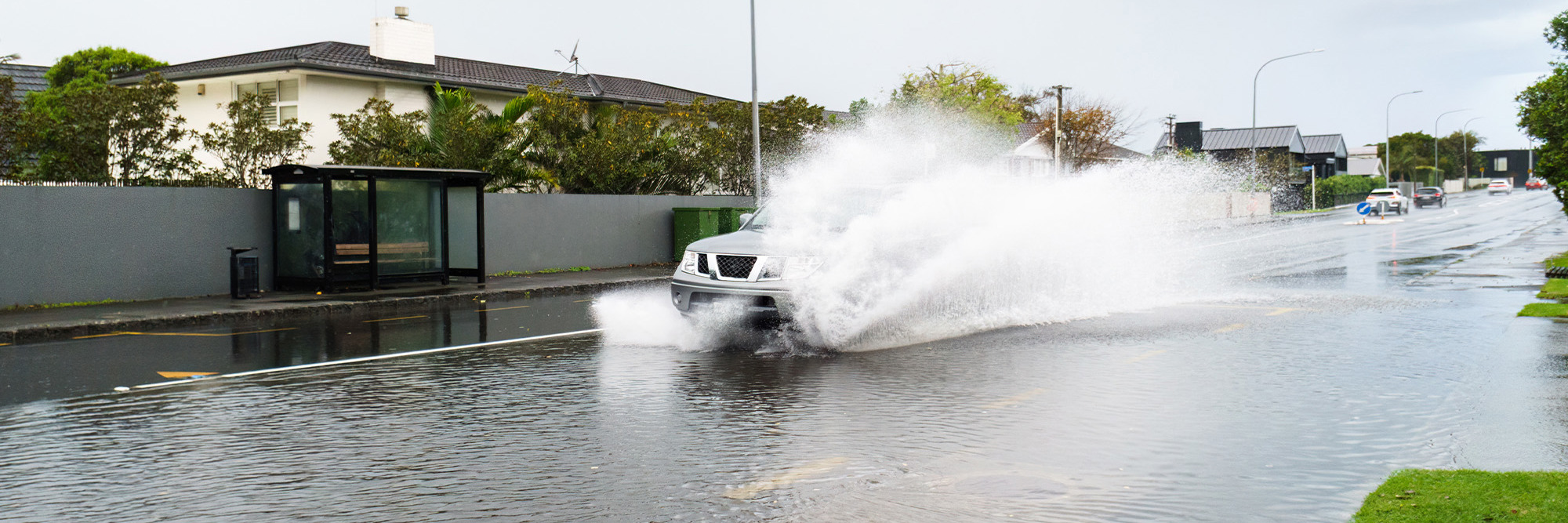
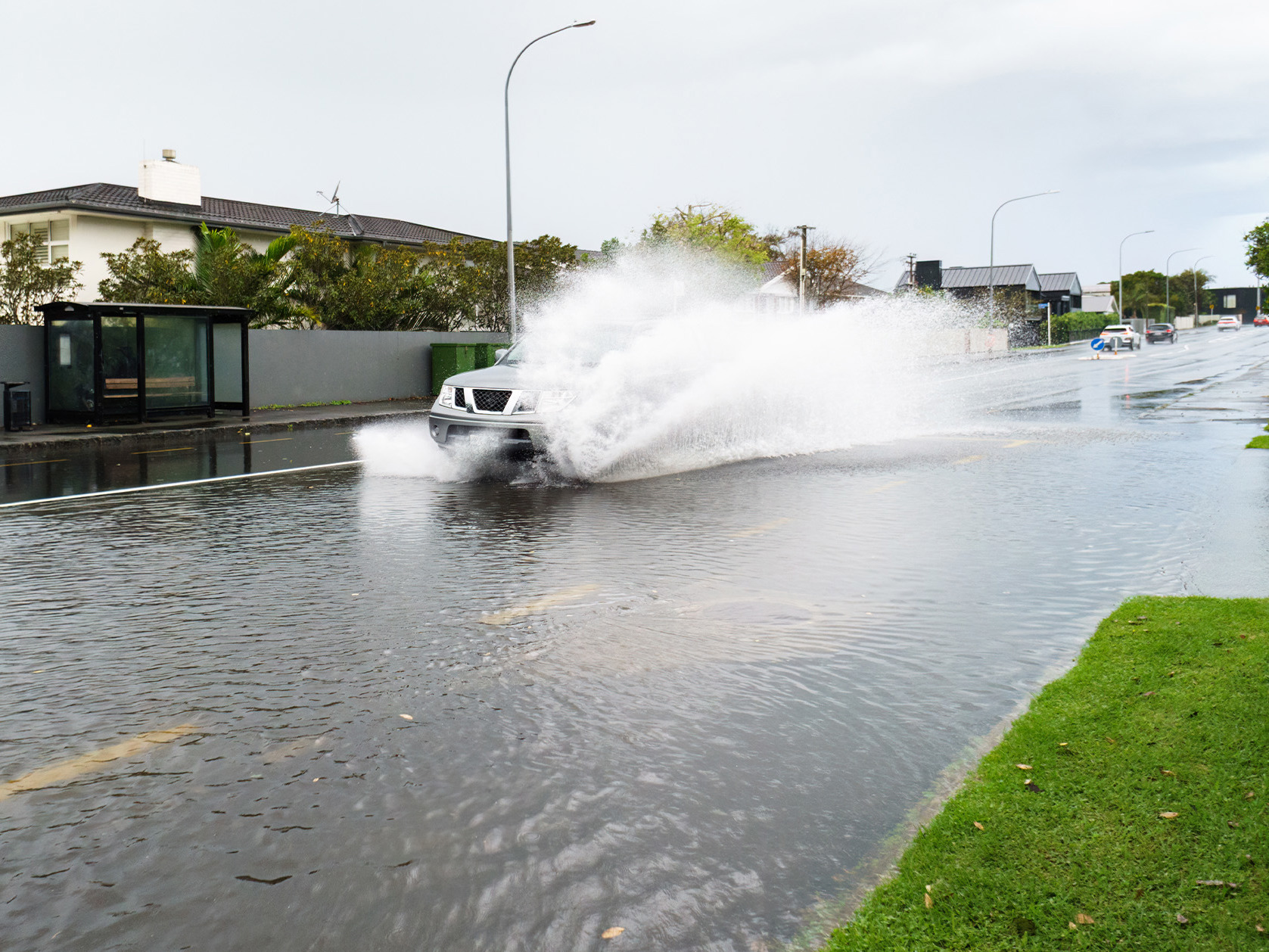
Westport is a town which has been increasingly flood-prone in recent years. Residents have faced increasing difficulty in obtaining affordable insurance at least since 2005, when insurers began using flood mapping to assess risk. Those difficulties escalated significantly after a major flood in 2021 which left more than 100 homes uninhabitable and 463 homes red or yellow stickered. Residents were evacuated again the following year, and in 2023 there was also localised flooding. It is easy to see why insurers are concerned.
In December 2025, AA Insurance confirmed that it had temporarily ceased offering new home, business and landlord insurance policies for properties within a key Westport postcode because of its flood risk limits. Importantly, AA Insurance was careful to assure its customers that its pause was temporary, and that it would not only continue to renew existing policies, but would also offer cover to buyers of properties currently insured by its existing customers if the owners wished to sell.
While AA Insurance’s public statements attracted headlines, it was not acting alone. While AA Insurance was the only insurer that opted to announce its position publicly, which it did in a letter to Buller District Mayor, Chris Russell, other insurers were also quietly declining new cover in the area. Headlines to the effect that Westport properties were becoming “uninsurable and unsellable”, as one media outlet put it, began to appear. While some Westport residents were finding workarounds by using insurance brokers to access specialist or non-mainstream insurers, these may not be sustainable long-term solutions if the underlying risk profile continues to deteriorate.
Following on from its Westport announcement, in early February 2026, AA Insurance also paused issuing new policies in the Canterbury community of Woodend, north of Christchurch, on the basis that it had reached its maximum exposure to seismic risk at that location. Previously, in late 2025, it had done the same for two postcodes in Lincoln and Rolleston. AA Insurance explained that its ability to write cover would change over time as customers moved. Again, as in Westport, it remained willing to renew existing policies and also to offer cover to buyers if its customers wished to sell.
Another major insurer has also reportedly ceased offering new policies to certain postcodes. More generally, for some Westport residents, even those not in particularly flood prone areas, insurance premiums have increased to the point that they are unaffordable. Home buyers in the region face an increasingly common problem that few, if any, major insurers will offer them a policy if they are in a postcode that insurers have identified as high risk, unless there is an existing insurance relationship with the property. Both examples illustrate the emergence of what might be called "postcode insurance syndrome" – where insurers apply blanket area-based exclusions based on postcodes, rather than assessing individual property risks.
Dr Belinda Storey, from the consultancy firm Climate Sigma, has predicted that there will be more locations, such as the lowest elevations in coastal inundation zones, or the bottoms of bowls of floodplains, where insurers will be increasingly reluctant to continue providing cover.
What this means for the New Zealand insurance market more broadly
This is the most visible sign yet of a broader trend: insurers in New Zealand are increasingly applying risk-based decisions to determine whether they will offer cover in areas that are exposed to heightened natural hazard risk. This is not surprising given the range of severe weather events New Zealand has experienced in recent years, including major storms, flooding and cyclones. The trend is likely to extend to other flood-prone and hazard-exposed areas across New Zealand.
While thus far, pauses on offers of new insurance have been described as a temporary measure, their increasing prevalence must give rise to concerns about the future availability and affordability of home insurance in New Zealand.
This appears to be a global trend, with similar responses also being seen in Australia. There, some insurers have at times temporarily withdrawn insurance from certain regions until flood defence infrastructure is improved. This may provide a solution for some locations in New Zealand, such as Westport, where infrastructure improvements may help reduce risk, but it is less likely to be possible to address other risks, such as earthquake, in this way.
Looking forward- where to from here?
In our last article, we highlighted a range of potential solutions to grapple with these issues in New Zealand. These included:
-
Expanding the scope of cover provided by the Natural Hazards Commission – Toka Tū Ake
-
Increased collaboration between private insurers and government bodies
-
The California Sustainable Insurance Strategy solution, which is to require all private insurers to commit to offering at least 85% of their average amount of cover to policyholders in specified high risk wildfire areas, which socialises the cost of insuring high risk areas
The challenge will be deciding what risks are truly uninsurable and are not appropriate to socialise across all insureds. A scheme like the Californian approach may become necessary in New Zealand. Such an approach, however, may have the disadvantage of reducing disincentives to build in loss-prone areas, or reducing incentives to invest in infrastructure that would reduce risks.
In all possible solutions, addressing underinsurance and ensuring the availability of affordable property insurance in the face of increasing natural disaster losses will require coordinated efforts involving policy changes and innovative insurance solutions.
This may become an election issue. Former Westport mayor and current parliamentary election candidate, Jamie Cleine, was recently reported as suggesting that some funding for flood defences ought to come from insurers, arguing that they benefit from risk reduction investment but are not required to contribute to its cost. Insurers will take the view that their role is to insure against loss, not prevent it, and that they do not benefit from a reduction in risk, which would ordinarily be reflected in reduced premiums.
The insurance crisis revealed by the Los Angeles wildfires, and more recent domestic experiences such as the challenges in Westport, highlight the growing challenge of securing property insurance in an era of increasing natural disaster losses. As New Zealand grapples with increasingly severe weather events, similar issues are emerging, with rising premiums, reduced coverage availability and growing gaps in insurance protection.
Insurers’ responses in places such as Westport are the most visible sign yet that the insurance retreat dynamics seen overseas are now playing out in the New Zealand domestic market. The question is whether New Zealand’s policy makers will respond proactively. We will continue to monitor developments.
Key contacts
Speak with one of our experts.